Trick or Treat: A Halloween Embroidery Review for Craft Fair Success
Every year, as my craft fair calendar fills up with autumn markets, I start evaluating which new designs will transition from digital files to successful handmade products. The Halloween season is a fantastic opportunity, but it demands designs that are both charming and commercially viable. Today, I’m putting the “Trick or Treat” machine embroidery design under the microscope from the perspective of a weekend booth and an online shop.
The First Glance: What Mood Does This Halloween Design Convey?
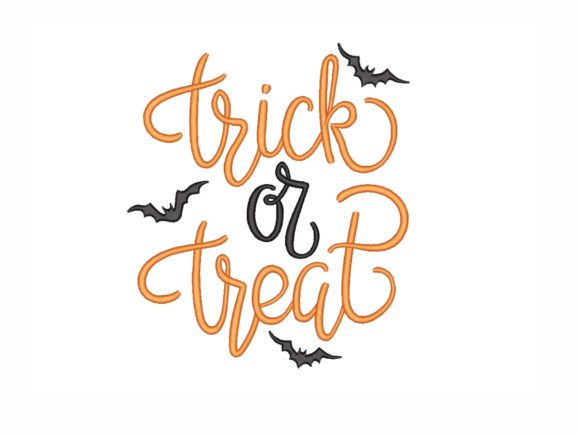
The title Trick or Treat immediately sets a classic, nostalgic tone. It’s not spooky or scary; it’s cute and festive. Based on the description promising it stitches out beautifully, my designer’s instinct tells me this leans into the decorative, soft, and approachable side of Halloween. This is a key selling point. At a bustling craft fair, designs that feel warm and welcoming, rather than aggressive or overly trendy, often attract a wider range of customers—parents looking for a cheerful kitchen accent, grandparents wanting a gentle gift, or someone simply adding a touch of seasonal charm to their home. This cute Trick or Treat design has the potential to feel handmade and premium, not just a generic holiday graphic.
Product Placement: Where Will This Design Shine on Your Booth Table?
Visualizing my display, I consider which products give this design the best platform. The goal is to make it noticeable and to maximize its perceived value.
Tote bags and market bags are a top contender. A well-placed Trick or Treat embroidery on a neutral canvas bag creates an instant, usable seasonal product. It’s large enough to be a focal point but not so overwhelming it dominates the bag’s function. Aprons and tea towels are another natural fit for kitchen-themed embroidery. Here, the design acts as a lovely accent, as described. On a tea towel, especially a textured one, it becomes a decorative, functional item that sells well as a small, giftable handmade product.
Pillow covers offer a higher-value application. A single Trick or Treat design centered on a pillow can command a higher price point and attract customers looking for home decor. For caps, however, caution is needed. The curved surface requires careful stabilizer choice, and the design’s scale must be checked—small lettering or tiny details can lose clarity on a curved, structured fabric.
One of my favorite strategies for craft fairs is creating embroidered patches. A Trick or Treat patch is versatile. Customers can see it clearly, understand its application instantly, and it serves as a lower-cost entry point that can lead to larger sales. It also photographs brilliantly for online listings. Finally, small fabric pouches or giftable items like coin purses make excellent “small impulse buy” products that showcase the design’s cuteness perfectly.
Practical Production: Turning the File into Sellable Products
The promise that it “stitches out beautifully onto any fabric” is encouraging, but an experienced embroidery designer always proceeds with methodical testing. Here’s my real-world process for a design like this before batch production.
First, I test the design on scrap fabric that mimics my intended products—canvas for totes, linen for towels, twill for caps. This reveals everything. I check for stitch density; overly dense areas can puckering on lightweight fabrics. I inspect any small lettering in “Trick or Treat” to ensure it remains legible at my chosen hoop size. I review the spacing between elements; good design files have clean separation that prevents thread buildup.
Thread contrast is critical for customer attention. On dark fabrics popular for Halloween—black or deep orange—I must ensure the thread color palette pops. A test on a dark scrap is non-negotiable. I also compare fabric colors to plan my product line. Does it look best on classic black, warm cream, or festive orange? Offering multiple color options increases sales.
For production efficiency, I assess if the design feels repeatable. Can I reliably embroider it on twenty tote bags without constant adjustments? A clean, well-digitized file makes batch production for a craft fair booth smooth. Crucially, I confirm the commercial licensing of the digital embroidery file before selling any finished products. The description doesn’t specify this, so checking the license terms is a mandatory step for any serious Etsy seller or small shop.
Selling Power: How This Design Captures Customer Attention
At the fair, a product’s visual appeal is its first sales pitch. Trick or Treat, positioned correctly, has strong buyer engagement potential. On an apron hung on my booth display, the design is easily understood at a glance—it’s clearly Halloween, clearly friendly. This quick recognition is vital in a busy market environment.
Its handmade quality is conveyed through the embroidery itself. The texture of stitches adds tangible value that a printed design lacks. For brand consistency, if your shop specializes in cute, decorative items, this design reinforces that aesthetic across towels, bags, and pouches, strengthening your overall booth display.
Photographing products for my Etsy listings or printable mockups, I find embroidered items like this photograph exceptionally well. The stitches catch the light, showing depth and craftsmanship. A well-lit photo of a Trick or Treat tea towel clearly communicates the product’s quality, boosting its online sales potential.
Careful-Use Notes & Final Designer Advice
No design is perfect for every application. For Trick or Treat, I’d offer these specific notes based on typical production challenges.
- Size Matters: Determine if it’s best as a large focal piece or a small accent. The description mentions it’s a “lovely accent,” suggesting it might be optimized for a moderate size. Embroidering it too small might compress the details and lose the charming effect.
- Texture Challenges: On highly textured towels or looped fabrics, a clean stitch-out requires robust stabilizer. Don’t skip the stabilizer test.
- Dense Areas: Be mindful of possible dense stitch areas, common in filled elements, which can be problematic on stretchy fabrics or lightweight linens without proper hooping technique.
- Create a Real Mockup: Before cutting bulk fabric or committing to a production run, create at least one real, finished product mockup. Hoop it, stitch it, finish the item (sew the tote bag, hem the towel). This reveals final assembly issues and gives you a perfect, truthful sample for your booth.
In conclusion, the Trick or Treat embroidery design, from a craft fair seller’s perspective, holds substantial promise. It fits the nostalgic, cute Halloween niche that appeals to a broad market. Its best chances for commercial success lie on products like tea towels, tote bags, and decorative pillows where its accent quality can shine. With diligent pre-production testing—focusing on fabric compatibility, thread contrast, and licensing—this digital embroidery file can be transformed into a lineup of profitable, handmade Halloween products that will draw eyes to your booth and add a festive, premium touch to your small shop offerings.