A Seasonally Perfect Design for Your Craft Booth
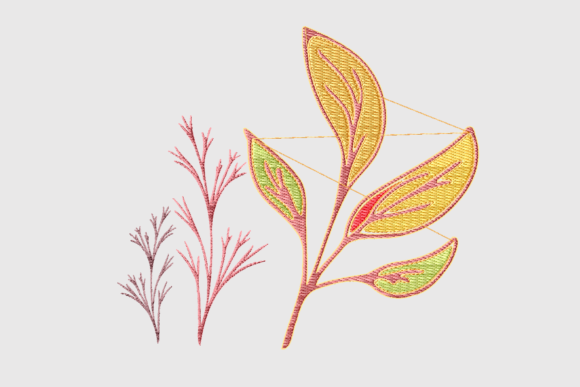
As an embroidery designer preparing for a busy autumn craft fair season, I always look for designs that translate effortlessly from screen to product. When reviewing the Lovely Fall Leaf embroidery file for my upcoming booth, my first impression is one of practical charm. This design feels cute, rustic, and decorative. It’s not overly bold or minimalist, but it has a soft, approachable quality that works perfectly for the handmade market. This isn’t a high-fashion statement; it’s a warm, recognizable autumn accent that customers will instantly connect with.
Where Lovely Fall Leaf Shines on the Sales Table
My booth strategy involves creating a cohesive display with a range of products. I need a design like Lovely Fall Leaf to perform across multiple items to maximize my production efficiency and sales potential. Its simple and cute description suggests versatility.
On tote bags and market bags, this design would act as a perfect focal point, especially on natural canvas or linen. It adds value without overpowering the bag’s function. For aprons and kitchen towels, particularly those with a farmhouse or rustic aesthetic, the leaf becomes a delightful, thematic decoration. Embroidered onto a tea towel, it elevates a basic item into a giftable handmade product.
As an embroidered patch, Lovely Fall Leaf has huge potential. Patches are quick to produce and offer customers flexibility. They can be applied to jackets, gardening outfits, or backpacks, exactly as the description suggests. This adaptability is a key selling point at a fair. For smaller items like fabric pouches or pillow covers, the design serves as a lovely accent, not a central theme, which can help in creating a curated, seasonal collection for my booth display.
Production Realities and Selling Power
From a production standpoint, a “simple and cute” design like this is often a winner. It likely means manageable stitch density and a clear, uncomplicated outline. This translates to faster embroidery times, less thread usage, and higher reliability during batch production for multiple craft fair products. However, the word “multi” in the description is crucial. I must check the file details to see if it includes multiple sizes or formats. This directly impacts which hoop size I use and on which products I can apply it.
Capturing Customer Attention and Photographing Well
At a crowded fair, products must communicate their appeal instantly. Lovely Fall Leaf, being a classic seasonal symbol, has inherent recognition. A customer scanning my table will immediately understand it’s an autumn-themed, handmade product. This quick comprehension is vital for sales. For my Etsy listings and printable mockups, a clean, simple design like this photographs exceptionally well. The contrast between the leaf and the background fabric will be clear, making online listings pop without requiring complex styling.
The design’s scale is a critical consideration. I need to test it to see if it works as a small accent on a cap’s curved surface or if it needs to be larger to maintain clarity. On dark fabric, I will need to review thread colors for sufficient contrast. The description doesn’t specify tiny details or lettering, which is a plus—it likely means the design will retain its integrity even at smaller sizes, avoiding a blurry or lost look.
The Designer’s Practical Checklist Before Production
Before I stitch this on any inventory, my professional process involves several key steps. These are non-negotiable for ensuring quality and avoiding wasted materials.
- Test on Scrap Fabric: I’ll run the machine embroidery design on a scrap of the actual fabric I plan to use—be it towel, canvas, or cotton—to check for puckering or tension issues.
- Check Thread Contrast: I’ll stitch samples on both light and dark fabric to ensure the chosen thread colors provide the intended visual appeal.
- Review Spacing and Density: I’ll examine the stitch pattern to identify any overly dense areas that might be challenging on textured towels or delicate fabrics.
- Confirm Hoop Size and Stabilizer: Based on the “multi” mention, I’ll check the file for included sizes and match the correct hoop size and stabilizer type to each fabric texture.
- Create a Real Mockup: I will produce at least one finished product, like a tote bag or pillow cover, to judge its real-world visual appeal and handmade quality.
- Compare Fabric Colors: I’ll lay the embroidered sample against various fabric colors in my inventory to see which combinations enhance the Lovely Fall Leaf design most.
- Confirm Commercial Licensing: The description doesn’t mention license terms. I must verify that this digital embroidery file is cleared for commercial embroidery and selling finished products before I produce any for sale.
Lovely Fall Leaf as a Booth Anchor and Brand Builder
For a creative entrepreneur, consistency matters. Using Lovely Fall Leaf across a family of products—totes, towels, patches—creates a strong, themed section in my booth. This strengthens my booth display and makes my brand look cohesive and professional. It tells a story of autumn craftsmanship. The design’s inherent customer attention grab, due to its seasonal relevance, can drive engagement. Someone might buy a leaf-patch for their jacket and then notice the matching tote bag, leading to multiple sales.
Ultimately, the value of a design like this is in its practical elegance. It doesn’t try to be everything; it aims to be a beautiful, versatile autumn decoration. For Etsy sellers, small shop product creators, and boutique makers heading to a weekend fair, that focus is exactly what sells. It’s a design that feels handmade, looks premium on the right product, and can be produced reliably in batches. By carefully testing and applying it to the products where it naturally fits—like the jackets, towels, and tote bags mentioned—Lovely Fall Leaf can become a seasonal staple in your craft fair lineup and your overall collection of handmade gifts.