Sugar Daddy Embroidery Design: A Professional Design Review
As an embroidery designer working with small businesses on branded merchandise, I evaluate every design not just as art, but as a functional asset. Today, I’m reviewing the Sugar Daddy embroidery design, analyzing its potential for patches, uniforms, caps, tote bags, and more from a purely commercial perspective.
First Impression: Playful Branding with Professional Potential
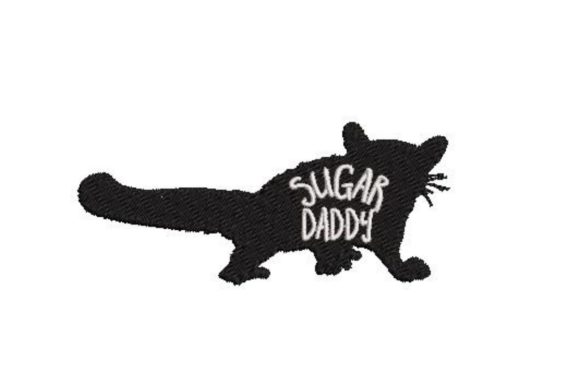
The title Sugar Daddy immediately suggests a playful, cheerful, and slightly whimsical personality. The description’s note about adding a “cheerful touch” confirms this. For a business, this translates to a design that feels friendly, approachable, and handmade in spirit. It doesn’t scream corporate or minimalist; it leans towards rustic, playful, and decorative charm. This initial character is crucial. A café, bakery, boutique, florist, or creative studio with a warm, personable brand identity could find this design resonates perfectly. It feels less like a stark corporate logo and more like an inviting accent—a signature detail that builds customer connection.
Real Business Applications for Sugar Daddy
Let’s move past decoration and into real-world commercial embroidery projects. How does this machine embroidery design perform as a business tool?
Embroidered Patches for Product Labels & Merch
Sugar Daddy as an embroidered patch offers immense flexibility. A small handmade shop or Etsy seller could use it as a branded patch sewn onto product packaging, tote bags, or as a label on handmade goods. It can elevate a simple item into a handmade product with a curated feel. For event merch or customer gifts, a patch with this design on an apron or cap becomes a memorable token. Its cheerful nature makes it suitable for boutique merchandise aimed at creating a light-hearted, engaging customer experience.
Staff Uniforms & Workwear Accents
Consider this design as a chest logo accent, sleeve detail, or apron design for staff. For a bakery or café named “Sugar Daddy” or incorporating the phrase into its theme, this could be a subtle, unifying brand mark on uniforms. On an apron, it adds personality without overwhelming the garment. On a work shirt’s sleeve or cap front, it serves as a recognizable but not overly dominant identifier. It’s particularly suited for businesses where staff interaction is key—the friendly design can enhance the service atmosphere.
Tote Bags, Caps, and Branded Apparel
As a tote bag design or cap embroidery, Sugar Daddy functions as a sellable merchandise item or a premium customer gift. The design’s inherent “cheerful touch” increases the perceived value of the item—it’s not just a blank bag; it’s a branded piece with character. For a pet brand or creative studio selling merch, this design can be a central design asset on hats, bags, or even as an accent on product packaging, creating visual consistency across your small business merch line.
Critical Considerations for Professional Execution
Professional commercial embroidery requires practical foresight. Here’s where a designer must advise caution to ensure a flawless finished product.
Scale, Placement, and Fabric Compatibility
The playful nature often comes with details that need scrutiny at small sizes. If using Sugar Daddy as a small patch (under 2 inches) or on a cap front with curved surfaces, you must test it at that size first. Tiny lettering or intricate outlines can become muddy or lost. High stitch density in a small area can stiffen fabric. Always test on real fabric—the intended fabric texture matters. A design like this on a thick canvas tote versus a fine cotton apron will behave differently. Using proper stabilizer is non-negotiable.
Color Contrast and Durability
For businesses using dark uniforms or bags, thread color contrast is vital. A light, cheerful design might need bright threads on dark backgrounds to remain legible and impactful. Before production, test it in black and white first to check the form and spacing without color bias. Items like aprons or work shirts that need frequent washing demand robust embroidery; inspect the design’s structure for potential weak points in detailed areas.
Integration into Brand Identity
How does Sugar Daddy affect brand identity and customer trust? For a business, it can enhance recognition through consistent use on merchandise and staff wear. It can boost the professionalism of a handmade brand by showing curated, quality custom apparel. However, its playful tone must align with your overall brand voice. If your brand is elegant and modern, this design might feel incongruent. Always compare it beside your other design assets and create a printable mockup for client approval to visualize it in context.
Essential Designer Notes Before Business Use
Before any machine starts stitching for your business, follow these professional steps.
- Confirm Commercial Licensing: For any business use, verify the digital embroidery file license allows commercial embroidery. This is a fundamental legal and ethical step.
- Check Technical Specifications: While the provided description doesn’t list specifics, you must ascertain the compatible hoop size, file formats, and any recommended stitch counts for your machinery before production.
- Execute a Full Test Run: Hoop the design on the actual item fabric—a cap, apron, or patch material—with correct stabilizer. Examine the stitch coverage, thread tension, and overall cleanliness.
- Evaluate for Client Approval: Present a physical sample or detailed printable mockup to the business owner. Ensure it meets their standards for brand identity and product value.
- Consider the Seasonal Context: The product category is Valentine’s Day. While the design has year-round cheerful appeal, a business might leverage this specifically for Valentine’s event merch, seasonal promotions, or limited-edition product lines, enhancing buyer engagement during that period.
Final Assessment: A Viable Asset for the Right Brand
The Sugar Daddy embroidery design is a viable, cheerful machine embroidery design for commercial use. It succeeds as a branded patch, uniform accent, and merchandise element for businesses with a playful, rustic, or handmade personality. Its value lies in creating an engaging, personable touch on custom apparel and products. However, its successful implementation hinges on rigorous professional testing—scale, fabric, color, and licensing checks are paramount. For the café, boutique, or creative studio seeking to inject friendly charm into their small business merch, this design, executed with precision, can be a sweet asset indeed.