Flamingo One Line: A Handmade Market Standout
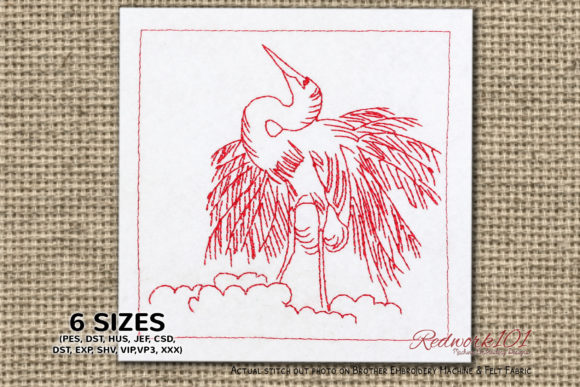
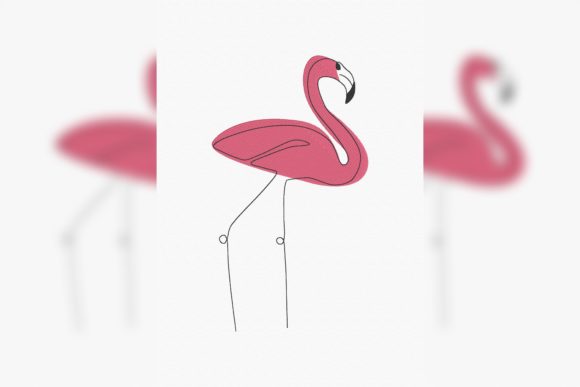
As an embroidery designer preparing for a weekend craft fair, my first job is to curating my designs. I need to pick the ones that will not only look great in my booth but will also sell. When I look at Flamingo One Line, my immediate impression is that it's a winner. It has that perfect balance of being majestic and cute, which is a sweet spot for handmade market products. The name tells you exactly what it is: a one-line drawing of a flamingo. That minimal, modern style is hugely popular right now. It feels decorative, soft, and premium without being overly fussy. It promises a wonderful pop of color, and that’s exactly what you need on a crowded craft fair table to catch a customer’s eye from a few feet away.
Where Flamingo One Line Shines on Products
My mental process involves picturing this design on every potential product in my display. I imagine a table full of embroidered tote bags, aprons, tea towels, patches, caps, and pouches. Flamingo One Line isn’t just a design; it’s a versatile product asset.
Tote Bags & Market Bags: This is a prime location. The flamingo's elegant, curved form works beautifully as a large focal design on the front of a bag. It’s instantly understandable, giving the bag a fun, tropical, yet chic vibe that appeals to a wide range of buyers.
Aprons & Kitchen Towels: For aprons, placing it on the bib or pocket adds a delightful handmade touch. On tea towels, it becomes a decorative accent that elevates a simple functional item into a gift. The pop of color mentioned in the description is key here—a bright pink or coral thread on a white or natural linen towel is irresistible.
Pillow Covers: As a repeated motif or a single, centered design on a pillow cover, Flamingo One Line brings a modern, botanical feel. It’s less rustic than a typical floral and feels more contemporary, which can attract buyers looking for something unique.
Caps & Patches: This is where you need to be careful. The one-line style, if it includes very tiny details or tight curves, might lose some clarity on a curved cap surface. It’s crucial to test it on scrap fabric first at the intended size. As a standalone embroidered patch, however, it could be a fantastic small shop product for crafters to apply to jackets or bags.
Small Pouches & Giftable Items: For little fabric pouches or cosmetic bags, the design works perfectly as a small accent. It’s cute, doesn’t overwhelm the item, and adds that handmade quality that increases perceived value. These are often impulse buys at a fair, and a charming flamingo can be the trigger.
The Practical Selling Points for Your Booth
Beyond looking good, a design needs to be practical to produce and sell. Flamingo One Line has several strengths here.
Visual Clarity & Customer Attention: At a glance, customers recognize it. It’s not an abstract shape; it’s a clear, beloved bird. This immediate recognition stops people. In a busy market, designs that are too complex can get lost. This one is minimal and bold, making it a strong booth display anchor.
Photography for Online Sales: For my Etsy listings or printable mockups, this design photographs beautifully. The clean lines mean it looks sharp and professional in product photos, whether on a real mockup or a digital display. That's vital for digital sellers and creative entrepreneurs who rely on online sales.
Batch Production Friendliness: If the stitch density is reasonable and the design isn’t overly dense in one area, it could be very repeatable for batch production. I can envision stitching a dozen tea towels with this design efficiently. It’s important to check the actual embroidery file for any areas that might be stitch-heavy, which can slow production and wear thread quickly.
Careful Use Notes for Production Success
As a professional, I never take a design to production without a rigorous review. Here are my notes for using Flamingo One Line.
Size Scaling: The one-line style means its integrity depends on line continuity. Shrinking it down too much for a small pouch or a cap might cause lines to break or become too thin, losing the elegant flow. Always test on scrap at your planned hoop size.
Fabric & Thread Considerations: The promised pop of color depends entirely on thread contrast. On dark fabrics, you must choose a bright, possibly lighter thread to make it stand out. On textured towels or thick fabric, a good stabilizer is non-negotiable to keep those clean lines sharp. Always compare fabric colors beforehand; a natural linen with a coral thread might sell better than a white background.
Stitch Density & Hoop Size: The description mentions it comes with multiple embroidery file formats, which is excellent for different machines. However, I must advise: always check the specific file for the recommended hoop size and inspect the stitch density before running a batch. Dense stitch areas on a design like this could pucker lighter fabrics if not stabilized properly.
Turning Flamingo One Line into Craft Fair Gold
My final judgment is about transforming this digital embroidery file into real craft fair products that engage buyers and boost my brand.
Creating a Real Mockup: Before the fair, I will create at least one real, physical mockup—likely on a tote bag. This serves as my booth sample. It lets customers touch and see the quality, and it proves the design works in reality. It’s far more powerful than just a picture.
Building Product Value & Brand Consistency: Flamingo One Line, when executed well with high-quality thread and neat finishing, elevates a simple product. A plain apron becomes a premium, handmade apron. Using it across a coordinated product line (tote, towel, pouch) can create a cohesive look for my booth, strengthening my brand as a designer.
Buyer Engagement: This design is inherently engaging. People love flamingos. It’s conversational. It might remind someone of a vacation, or simply bring a smile. That emotional hook is where a sale is made at a handmade market.
The Essential Final Step: The product description says it can be used with multi, which I interpret as multi-purpose or for multiple machines. However, for any commercial embroidery or selling finished products, I must confirm the commercial licensing terms of the design file before I stitch anything for sale. That is a non-negotiable step for every embroidery business owner and boutique maker.
In summary, Flamingo One Line is a versatile, attractive machine embroidery design with strong potential for craft fair products. Its modern, minimal aesthetic gives it wide appeal, and its clear imagery makes it a standout on a display table. With careful testing on scrap fabric, attention to thread color and stabilizer, and a focus on creating high-quality real mockups, this flamingo can become a profitable and delightful centerpiece for your handmade market offerings.