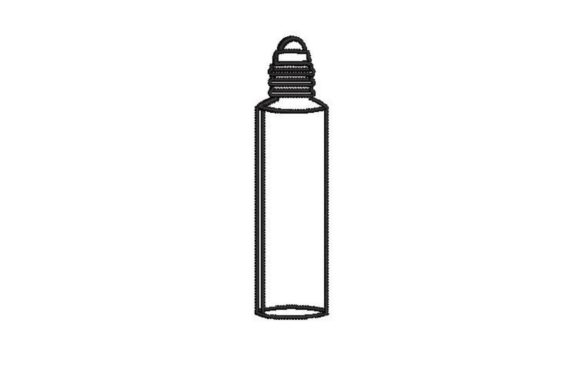
Essential Oil Bottle Embroidery: A Spa-Inspired Design Review
When a new embroidery design arrives in my library, my first question is always practical: can I use this on a real project for a client? I’m not just looking for cute artwork; I’m evaluating a tool. The Essential Oil Bottle design from Creative Fabrica recently came across my desk as I was sourcing ideas for a boutique spa’s branded merchandise. Here’s my honest take, from the perspective of an embroidery designer who stitches for customers, not just for fun.
First Impressions: A Delicate, Decorative Mood
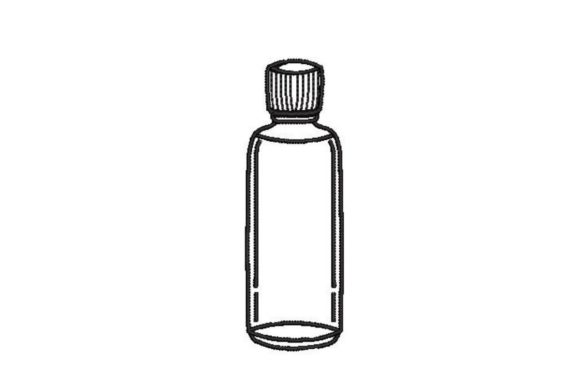
The Essential Oil Bottle design immediately communicates a soft, serene, and clean aesthetic. It’s not a bold, graphic statement; it’s a decorative accent piece. The visual mood is perfectly aligned with the beauty and spa category—it feels luxurious, gentle, and artisanal. This isn’t a design you’d use for a bold logo on a work jacket; it’s meant for products where presentation and a handmade touch are paramount. For my initial assessment, I imagined it on a linen apron for a massage therapist, a cotton pillow cover for a home spa corner, or a delicate tote bag for a boutique customer. It naturally fits projects where the embellishment enhances a product’s theme, rather than dominates it.
Real-World Performance on Common Projects
I considered several typical applications for my own business and for fellow crafters. On custom apparel like sweatshirts or tees, this design would serve as a lovely, subtle detail on a sleeve or chest area. For tote bags and aprons, it adds a professional, thematic decoration that elevates a simple blank product. On baby items or kitchen towels, it introduces a charming, calming visual. The Essential Oil Bottle also strikes me as an excellent candidate for an embroidered patch, especially if you’re creating a series of wellness-themed patches. For nursery decor or handmade gifts, it offers a personalized, non-generic option that feels thoughtful.
For commercial use, such as products for an Etsy listing or craft fair booth, this design can help build a cohesive product line. Imagine a collection of spa-day kits: a towel with this embroidery, a matching pouch, and a pillow cover. It creates brand consistency across your handmade shop. In product photography, the clean lines and recognizable subject matter make for engaging, appealing images that can attract customers looking for a specific aesthetic.
Practical Embroidery Considerations for Success
This is where the designer’s experience truly matters. The cute artwork on the screen must translate to clean stitches on fabric. Based on its style, I would approach the Essential Oil Bottle with careful planning.
The design appears to have layered details and likely uses a combination of satin stitch and fill stitch areas. Before running it on any customer order, I would always test on scrap fabric first. Key considerations include:
- Stitch Density: Dense stitch areas can be problematic on lightweight or stretchy fabric. I’d test on the actual material I plan to use—whether it’s a thick sweatshirt fleece or a fine baby blanket cotton.
- Small Details & Lettering: If the design includes tiny lettering or intricate bottle details, they must be inspected after stitching. They may require a smaller hoop size and precise stabilizer choice to remain crisp.
- Fabric Color & Contrast: I would compare how it looks on both light and dark fabric mockups mentally. On dark fabrics, the design’s lighter tones might need a bright thread color palette for good contrast. Choosing the right thread colors is crucial for the final look.
- Complex Surfaces: For projects like caps with curved surfaces, the design’s shape and size would need to be evaluated for compatibility with the curvature to avoid distortion.
A universal rule: always use the proper stabilizer for your specific fabric and project. This ensures the Essential Oil Bottle design retains its shape and detail after multiple washes, which is vital for products that need frequent washing like kitchen towels or aprons.
Affecting Product Value & Customer Trust
Using a well-executed embroidery design like this one isn’t just about decoration; it’s about perceived value. A neat, clean stitchout of the Essential Oil Bottle on a handmade product signals care and professionalism. It boosts buyer trust—they see a finished item that looks intentional and high-quality, not haphazard. This directly impacts giftability; a beautifully embroidered pillow cover feels like a premium gift. For small business owners, this level of finish helps you stand out in a crowded marketplace. Your handmade presentation becomes a key selling point.
Final Notes & Essential Pre-Check Steps
As a professional, my final advice is always grounded in preparation. Before committing this machine embroidery design to any real customer order or commercial project, I perform a few non-stitching tasks.
- I confirm all the practical details on the Creative Fabrica product page. Since the description mentions it comes with multiple embroidery file formats, I check which specific formats are included to ensure compatibility with my machine.
- I review the license terms for the digital embroidery file to understand the scope of commercial use allowed for my finished products. This is a critical step for Etsy sellers, apparel decorators, and anyone selling embroidered goods.
- I plan my thread scheme and possibly create a simple printable mockup to visualize the final product. This helps with customer engagement and final design approval.
The Essential Oil Bottle design is a charming embroidery file with clear potential for niche projects in the beauty and wellness space. Its value lies not in being a universal, all-purpose graphic, but in being a perfect, thematic design asset for specific products. If your project lineup includes spa-themed items, handmade gifts with a serene vibe, or boutique merchandise that benefits from a delicate decorative touch, this design is worth considering. For general-use apparel or bold branding, it may not be the right fit. Always match the design to the product’s purpose, and never skip the test stitch. Your customers, and your own reputation for quality, depend on that final, real-world stitchout.