Decorative Flowers Embroidery Review
As an embroidery designer who spends more time at craft fairs than in a studio, I know that the difference between a design that sits on a shelf and one that flies off the table often comes down to visual impact and production practicality. When I first laid eyes on Decorative Flowers, my immediate reaction was one of cautious optimism. The description promises something colorful, pretty, and nature-inspired, which are keywords that consistently perform well in the handmade market. However, for a busy weekend seller, "pretty" is not enough; the design must be versatile, photogenic, and easy to produce in batches without sacrificing quality.
First Impressions: Visual Appeal and Market Fit
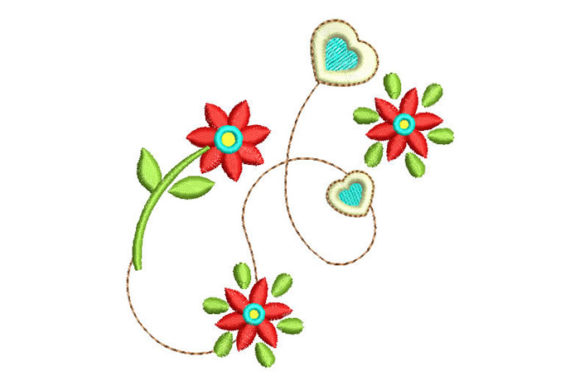
The title Decorative Flowers suggests a design that leans towards the ornamental rather than the hyper-realistic. In the context of a craft fair booth, this is actually a significant advantage. Customers browsing through rows of tote bags and aprons are drawn to designs that offer a burst of color without overwhelming the eye. A floral motif that feels both decorative and accessible bridges the gap between rustic farmhouse aesthetics and modern boutique style.
From a branding perspective, this design feels premium yet approachable. It does not scream for attention with aggressive boldness but rather invites the customer to lean in closer to inspect the details. This subtle engagement is crucial for handmade products. When a buyer picks up a tea towel or a cap featuring Decorative Flowers, they should feel a sense of warmth and creativity. The colorful nature of the design allows it to stand out against neutral fabrics like cream canvas, soft linen, or classic denim, making it a strong candidate for a wide range of craft fair product categories.
Product Versatility: Where Decorative Flowers Shines
One of the most critical factors for any embroidery file is its adaptability. A design that only works on one specific item limits your inventory potential. Based on the characteristics of Decorative Flowers, here is how it performs across various high-demand items:
- Tote Bags and Market Bags: This is perhaps the strongest application. A tote bag design benefits from the organic flow of floral elements. Whether placed centrally as a focal point or repeated along the side seams, the flowers add a touch of elegance to a utilitarian item. For an Etsy seller, these make excellent gift items and everyday carry accessories.
- Apron Embroidery: Kitchens are heartwarming spaces, and a floral accent on an apron adds personality without being distracting. The design likely works well as a pocket embellishment or a centered chest piece. It elevates a basic kitchen staple into a thoughtful handmade product.
- Tea Towel Embroidery: Linen and cotton towels provide a smooth, stable surface that showcases thread texture beautifully. If Decorative Flowers has fine details, the tight weave of a tea towel will hold them well, resulting in a crisp, professional finish that photographs exceptionally well for online listings.
- Embroidered Patches and Caps: For smaller items, the design needs to remain legible. If the flowers are dense and intricate, they might get lost on a curved cap surface. However, if adapted as a patch for a denim jacket or a backpack, the vibrant colors can pop against darker fabrics, creating a striking contrast.
- Pillow Covers and Small Pouches: These items allow for larger design placements. A pillow cover featuring Decorative Flowers can become a statement piece in home decor, appealing to buyers looking for cozy, artisanal touches. Small pouches benefit from the compact nature of many floral motifs, making them perfect low-cost impulse buys at a booth.
Production Practicality and Quality Control
Turning a digital concept into a tangible finished product requires careful planning. Before committing to bulk production for a market, several technical aspects must be evaluated. The first step is always to test the design on scrap fabric. Different materials react differently to thread tension and stitch density. A design that looks sharp on cotton may pucker on polyester blends.
Stitch density is a particularly important consideration. Floral designs often involve satin stitches for outlines and fill stitches for petals. If the stitch density is too high, the fabric may become stiff and lose its drape, which is undesirable for items like aprons or tote bags. Conversely, if the density is too low, the backing material may show through, giving the product a cheap appearance. You must inspect the design closely to ensure that the balance between coverage and flexibility is maintained.
Another critical factor is the hoop size. Ensure that the hoop size of the digital embroidery file aligns with your machine’s capabilities and the dimensions of your chosen products. A design that requires a large hoop may limit you to larger items, reducing your ability to create small, affordable accessories. Always confirm the maximum dimensions before purchasing or downloading the asset.
Thread Colors and Contrast
The success of Decorative Flowers heavily relies on thread selection. Since the description highlights the design as "colorful," you have the opportunity to experiment with vibrant palettes. However, contrast is key. On light fabrics, use dark or saturated threads to make the flowers pop. On dark fabrics, consider using metallic or bright pastel threads to ensure visibility. Poor thread choice can render even the best design invisible or muddy.
Stabilizer Selection
Using the right stabilizer is non-negotiable for professional results. For woven fabrics like cotton and linen, a cut-away stabilizer provides lasting support, preventing distortion over time. For knit fabrics or stretchy materials, a tear-away or wash-away stabilizer might be more appropriate, depending on the desired finish. Incorrect stabilizer usage can lead to puckering, misalignment, or difficulty in removing excess material, all of which detract from the perceived value of the small shop product.
Selling Strategy and Customer Engagement
When displaying your commercial embroidery creations at a craft fair, presentation is everything. Create a cohesive look by using Decorative Flowers across multiple product types. Hang embroidered aprons next to tote bags, and place tea towels alongside pillow covers. This repetition reinforces brand consistency and helps customers visualize how the design fits into their lives.
Photography plays a pivotal role in sales, both online and offline. Take high-quality photos of the finished products under natural light. Highlight the texture of the stitches and the vibrancy of the thread colors. If you are an Etsy seller, use these images to create printable mockups that showcase the design on various backgrounds. Clear, attractive imagery increases click-through rates and conversion.
Consider the narrative behind your products. Handmade items sell because of the story and care put into them. Emphasize the quality of the materials and the precision of the stitching. Mentioning that each piece is carefully crafted can justify a higher price point and attract customers who value authenticity.
Final Recommendations for Designers
Before adding Decorative Flowers to your production lineup, take the following steps to ensure success:
- Create at least one real mockup: Do not rely solely on digital previews. Stitch the design out fully to check for errors, thread breaks, or alignment issues.
- Compare fabric colors: Test the design on the exact fabrics you plan to sell. What looks good on white might look dull on beige.
- Confirm commercial licensing: Ensure you have the legal right to sell finished products made with this machine embroidery design. Ignoring licensing terms can lead to serious legal and financial consequences.
- Inspect stitch density: Look for areas where stitches might overlap excessively or leave gaps. Adjust settings if necessary to achieve a clean finish.
- Review spacing: Make sure the design fits well within the boundaries of your products without cutting off essential elements.
In conclusion, Decorative Flowers holds significant potential for craft fair sellers and handmade entrepreneurs. Its versatile, colorful nature makes it suitable for a wide array of products, from functional kitchen items to fashionable accessories. By paying close attention to production details such as stitch density, stabilizer choice, and thread contrast, you can transform this embroidery file into a best-selling handmade product that delights customers and strengthens your brand. Remember, the goal is not just to embroider a design, but to create a product that resonates with buyers on an emotional level. With careful execution, Decorative Flowers can become a staple in your collection.