A Craft Fair Review of Bear in Habitat Embroidery Design
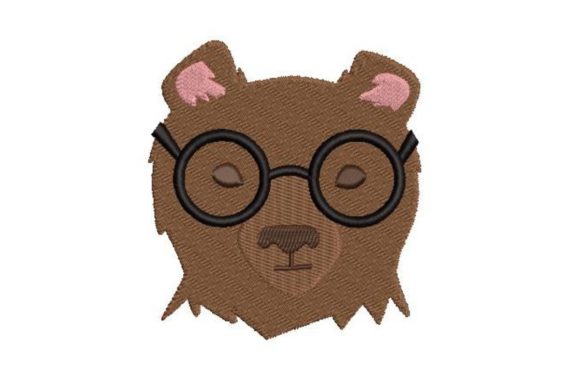
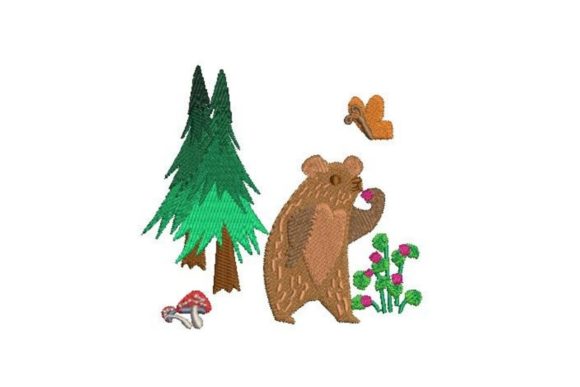
As an embroidery designer preparing for a weekend market, every new design file gets a real-world review. I look at it not just as art, but as a potential product. When I first opened the Bear in Habitat embroidery file, my immediate impression was soft, rustic, and decorative. It’s a lovely scene, as described, leaning into a cozy, woodland aesthetic perfect for a child's room. This tells me its primary appeal is emotional and decorative, rather than bold or minimalist.
Where Bear in Habitat Stands Out on the Booth Table
My mind instantly goes to my display: tote bags, aprons, tea towels, patches, caps, pouches, and pillow covers. For Bear in Habitat, I see three clear winners. First, pillow covers. This design feels inherently home-decor oriented. A small pillow with this scene would look premium and giftable. Second, tea towel embroidery. A rustic kitchen towel with this bear adds a warm, farmhouse touch that sells well. Third, tote bags, but specifically as a smaller, accent design on the front pocket or lower corner. As a full focal piece on a large bag, it might feel too niche, but as an accent, it becomes charming.
I would avoid using it on caps. The curved surface and typically dark fabric of a cap could obscure the lovely scene details, and the “decorative” mood doesn’t quite match casual cap culture. An embroidered patch is a possibility, but I’d need to test the stitch density at a small size to ensure the habitat elements remain clear.
Practical Production: From File to Finished Product
The description notes it comes with multiple embroidery file formats, which is crucial for commercial embroidery across different machines. Before I stitch anything for sale, my process is strict.
First, I always test on scrap fabric identical to my final product material. For a rustic design like this, I’d test on a plain cotton for towels, a canvas for tote bags, and a linen or quilting cotton for pillow covers. This reveals how the fabric texture interacts with the design. I immediately check for thread contrast. A scene with trees, a bear, and habitat details needs a clear color palette to avoid muddiness on the final product.
Next, I review the stitch density and spacing. Designs with lots of elements can have dense areas that might pucker on lighter fabrics without the correct stabilizer. I’d use a firm cut-away for pillow covers and a tear-away for towels. The hoop size matters too. While the description doesn’t specify, I need to confirm the design fits in a reasonable hoop for my common products—likely a 4x4 or 5x7 hoop for it to be economical for batch production.
Photographing Bear in Habitat for Your Etsy Shop
For Etsy sellers and online listings, this design should photograph beautifully. Its scene-like composition creates a complete visual story, which helps in printable mockups and listing images. I would photograph it on a neutral, textured background—like a wooden table or a linen cloth—to enhance its rustic, handmade quality. The key is to show it as a finished product on an actual item, like a towel draped over a basket or a pillow on a cozy chair. This sells the lifestyle, not just the stitch.
Selling Power and Customer Attention
At a craft fair, customers scan tables quickly. Bear in Habitat will attract a specific buyer: someone looking for a gentle, nature-themed gift, often for a child or a cozy home. It won’t be the loudest design on my table, but it will have deep appeal for that niche. Its value is in its completeness—it’s not just a bear, it’s a bear in its environment. This adds perceived handmade quality and narrative, which can justify a slightly higher price point than a single animal motif.
For brand consistency, if my shop focuses on woodland animals or rustic home decor, this design is a perfect fit. It strengthens my booth’s theme. I would display it grouped with other Woodland Animals designs to create a mini-collection, which encourages buyers to purchase more.
Careful Use Notes for Batch Production
Before committing to a batch of 20 tote bags, I create at least one real, finished mockup. Here are my specific checks for Bear in Habitat:
- Small Accent vs. Large Focal: I test it at both a reduced size (as a pocket accent) and at its full size. On a tea towel, the full size likely works beautifully. On a small fabric pouch, it might overwhelm the space.
- Tiny Details: The habitat elements—likely trees, maybe grass or flowers—could have tiny details. On textured towels or dark fabric, these might lose clarity. I’d compare stitching it on light versus dark fabric swatches.
- Repeatability: For batch production, the design must stitch cleanly every time. Consistent results depend on confirmed hoop size, perfect stabilizer choice, and a reliable thread color sequence. I’d document my successful test settings exactly.
- Commercial Licensing: The description mentions it can be used with multiple emb... but it’s critical to confirm the license allows for selling the finished products commercially before I make any for my craft fair booth or small shop product line.
The Final Judgment for Creative Entrepreneurs
Bear in Habitat is a strong decorative design for specific product applications. Its emotional, rustic appeal is its biggest selling point. For craft fair product success, I would focus on home decor and kitchen items: pillow covers, tea towels, and possibly aprons for a rustic kitchen vibe. As an embroidered patch, it’s less likely to shine unless simplified.
The design feels repeatable for batch production if the stitch density is manageable. Its scene composition makes it excellent for photography and storytelling in your Etsy listings. For embroidery business owners, the key is to match the design to the product. Don’t force it onto items where its mood doesn’t fit. Instead, let its lovely, woodland scene charm customers on products where that warmth is most valued. Always start with a test stitch, confirm your licensing, and build your product line around designs that not only look good but also tell a story that buyers want to bring into their homes.